
Projects
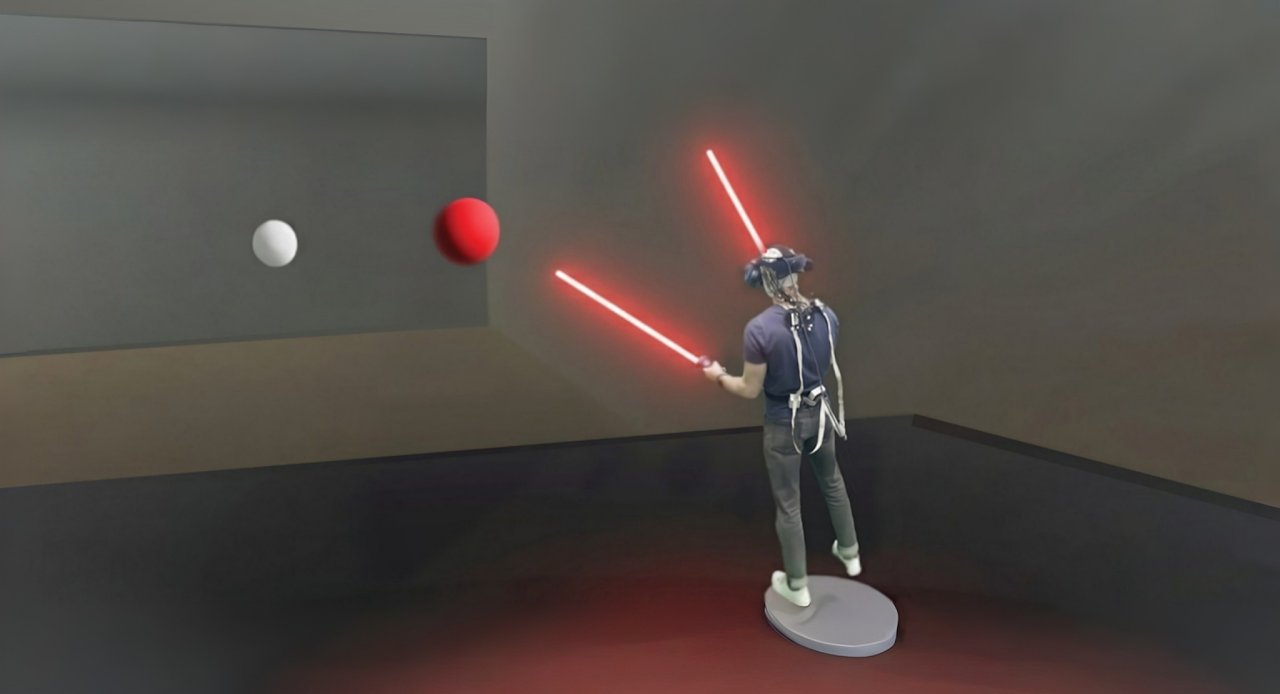
SABER
IEEE VR 2026 - Daegu, KoreaAnalytical metrics for EEG-based spatial attention research, giving researchers a concrete way to measure engagement inside virtual environments.
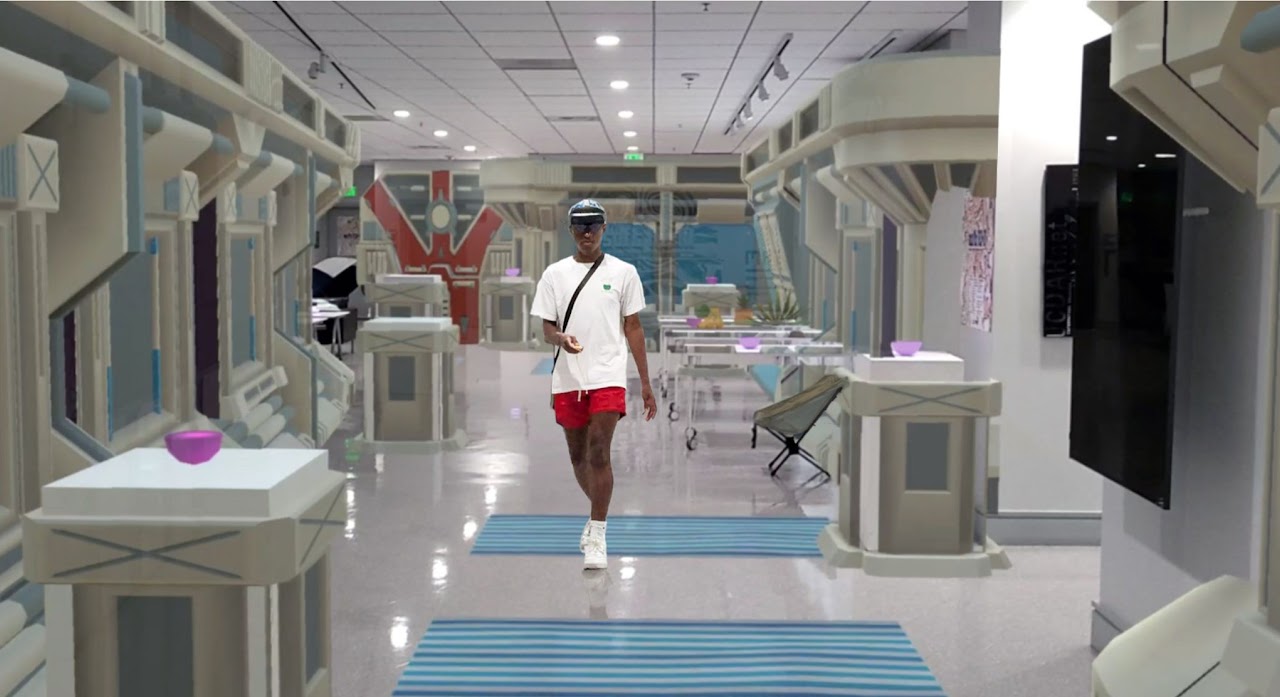
On the Go with AR
ACM CHI 2025 - Yokohama, JapanDenser AR annotations during a walking search pulled attention to the overlay and left people less aware of uncommon objects nearby.
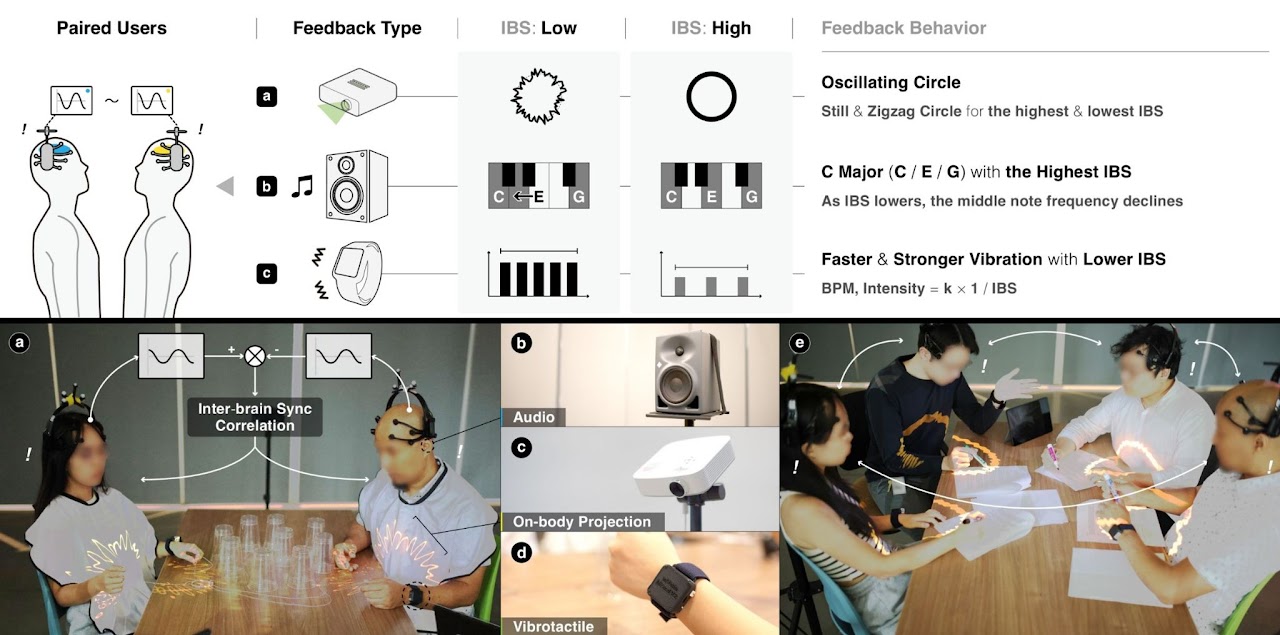
NeuResonance
ACM CHI 2025 - Yokohama, JapanMultimodal feedback improved inter-brain synchronization more than visual or haptic feedback did on its own.
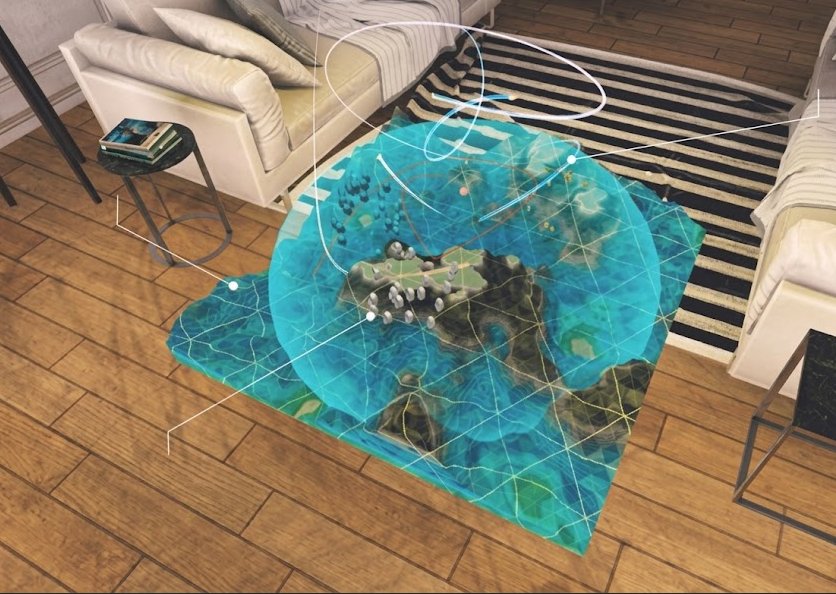
Beyond Reality
PhD Dissertation - Santa Barbara, CaliforniaA dissertation on what makes interactive narrative in immersive experiences richer, and on the role attention and related factors play in it.
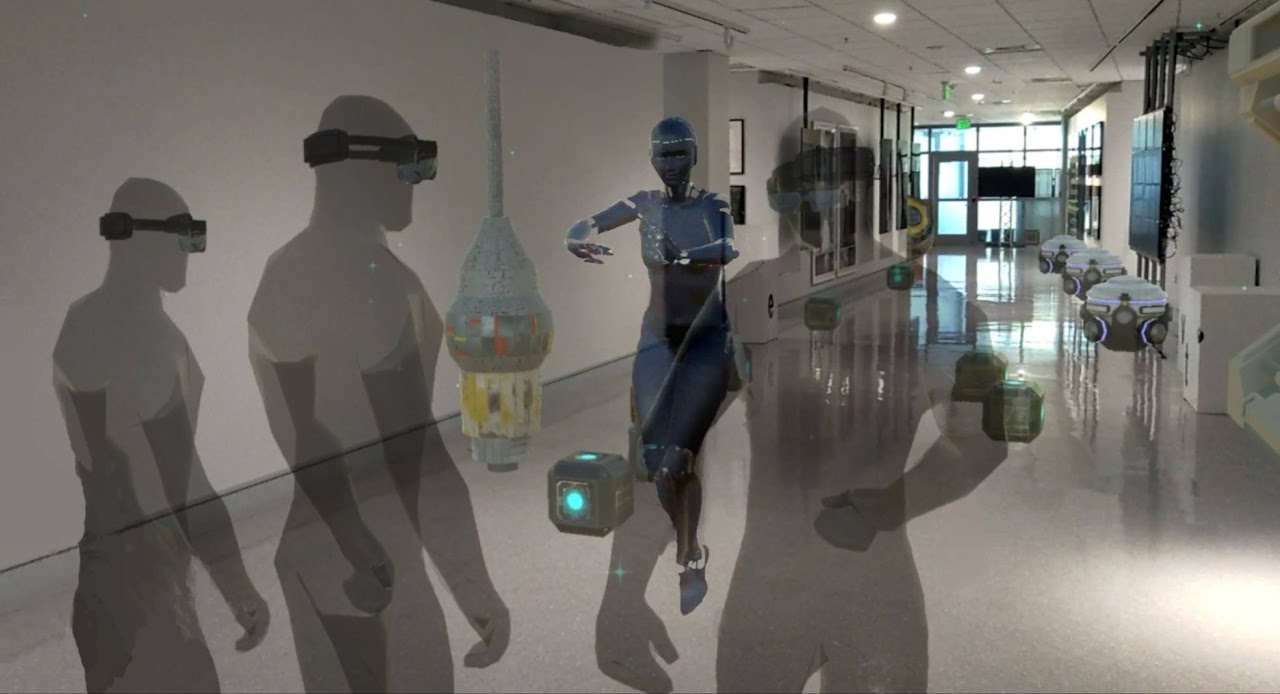
Audience Amplified
IEEE ISMAR 2024 - Bellevue, SeattleA proof of concept for capturing physical spatial behavior with reinforcement learning, then driving responsive AR avatars from what it learns.
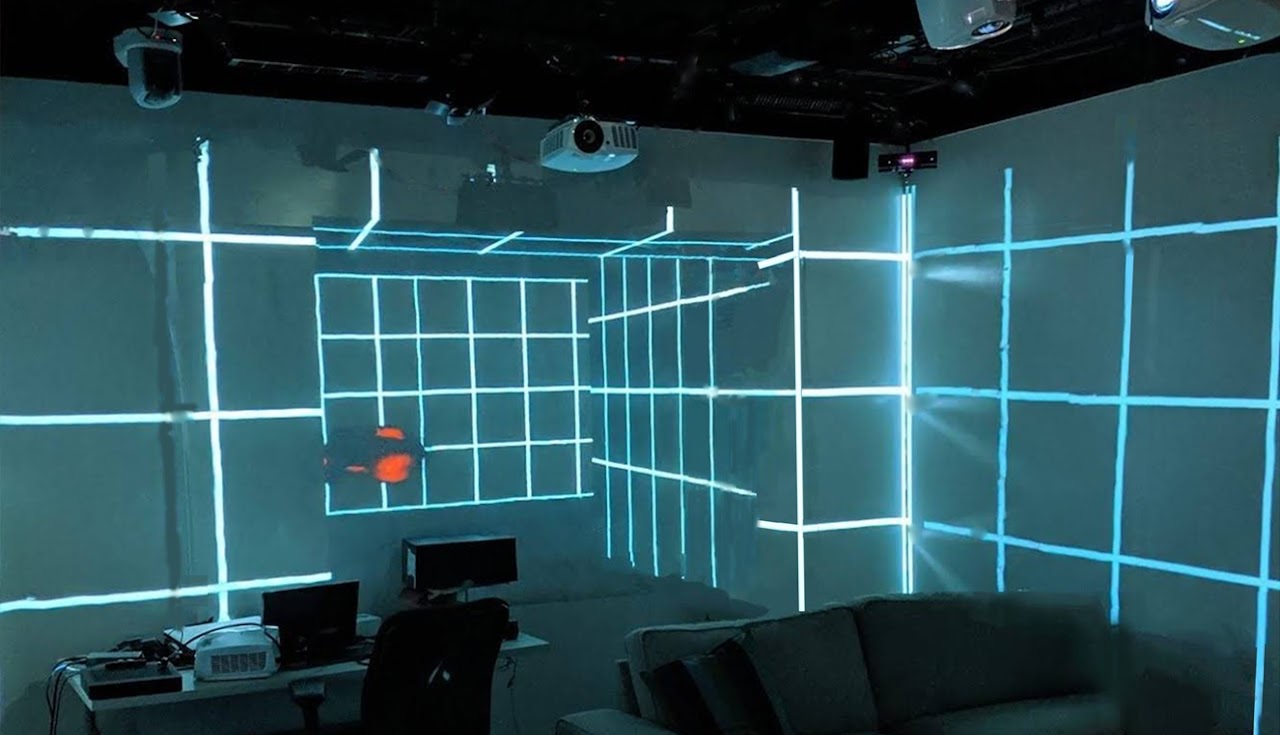
Reality Distortion Room
IEEE ISMAR 2023 - Sydney, AustraliaSmall, deliberate visual distortions can steer how people walk through a room, without a word of verbal or written instruction.
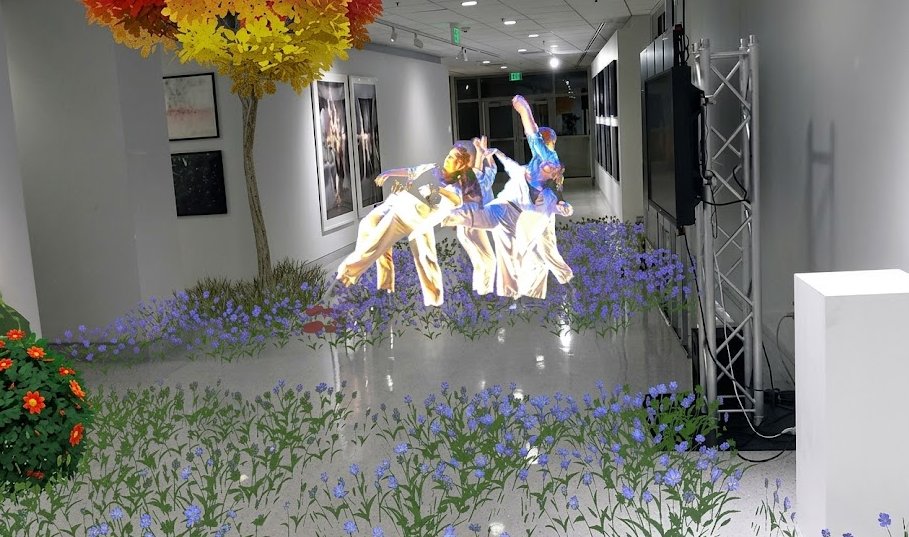
Dynamic Theater
ACM VRST 2023 - Christchurch, New ZealandContent Zones let an interactive narrative follow each viewer’s own pace while keeping the story itself consistent across augmented content.
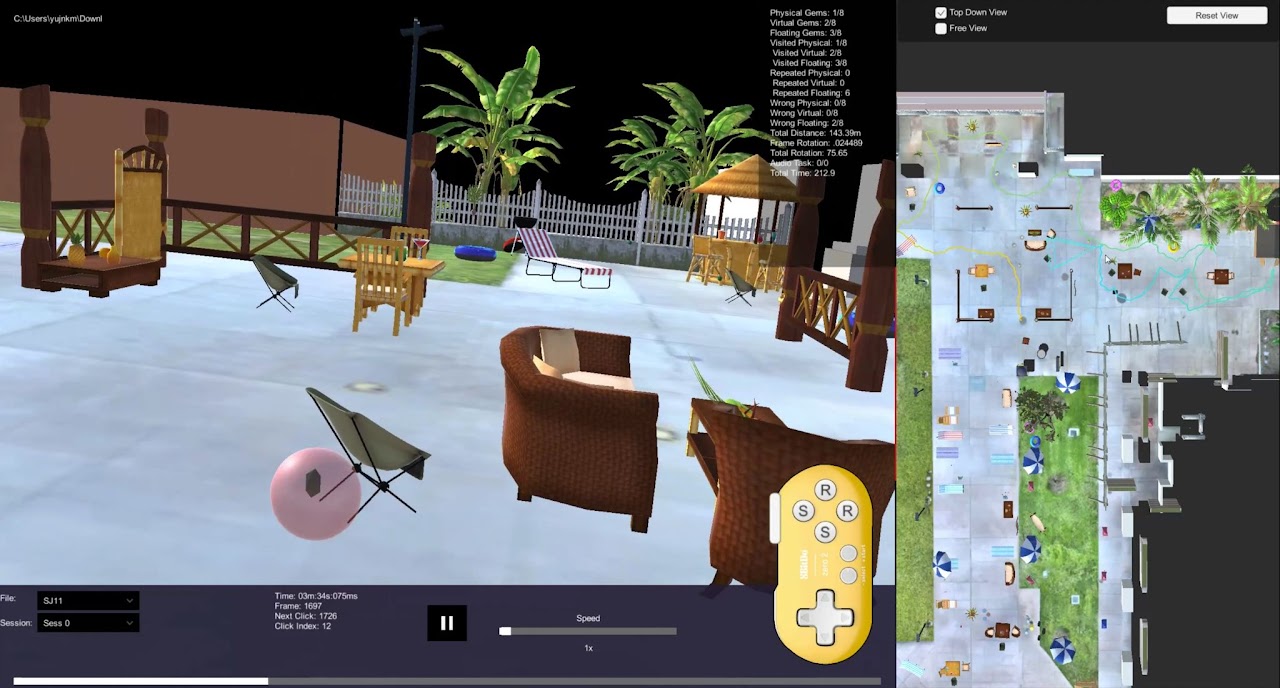
JourneyReplay
ACM CHI 2023 - Hamburg, GermanyFull field-of-view playback paired with digital twins, so spatial context and the reasons behind user behavior can be reviewed after the session.
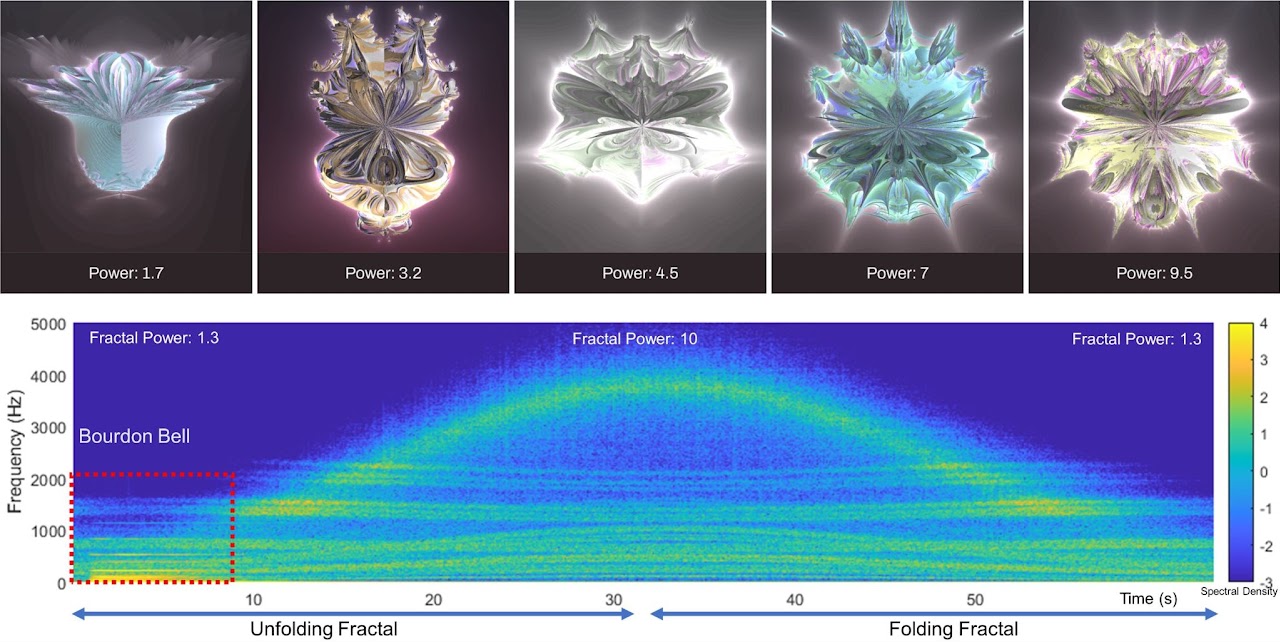
FractalBrain
ACM CHI 2024 - Honolulu, HawaiʻiFractal-inspired visual stimuli drew the strongest frontal alpha response we measured, and left participants in a noticeably calmer state.
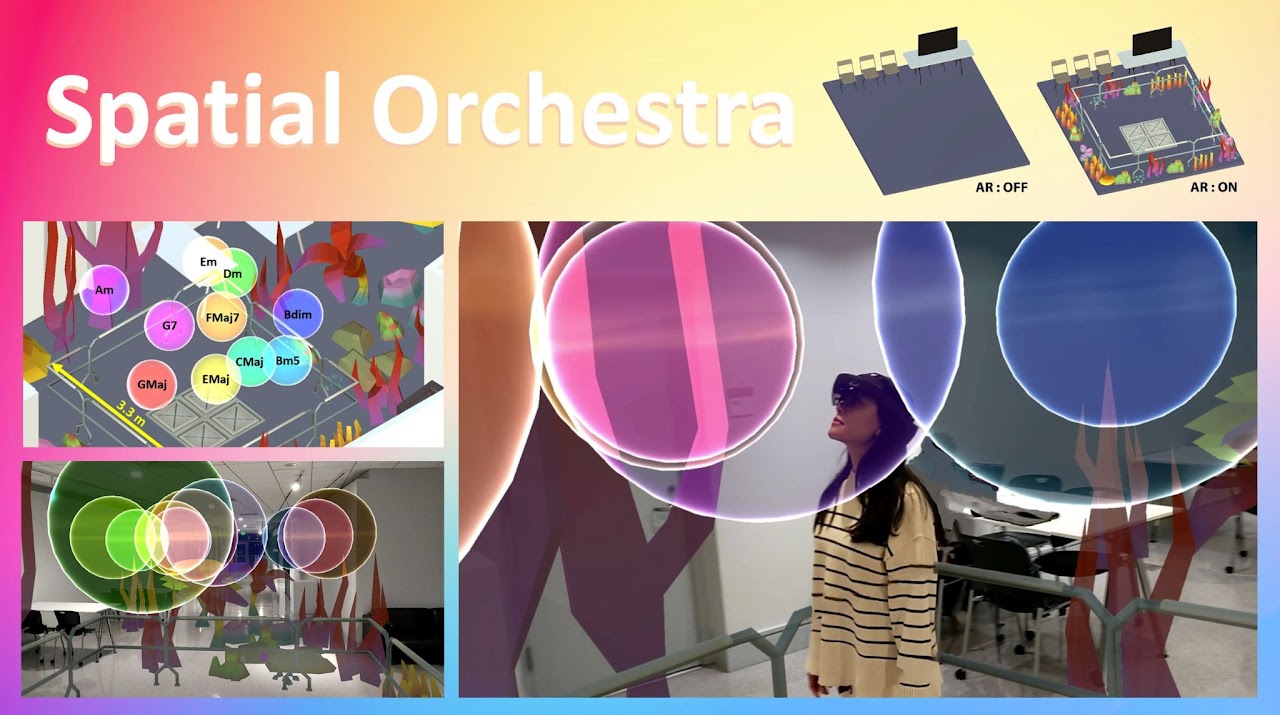
Spatial Orchestra
ACM CHI 2024 - Honolulu, HawaiʻiGait becomes sound. Stepping through virtual bubbles drives audio synthesis, turning ordinary movement into musical expression.
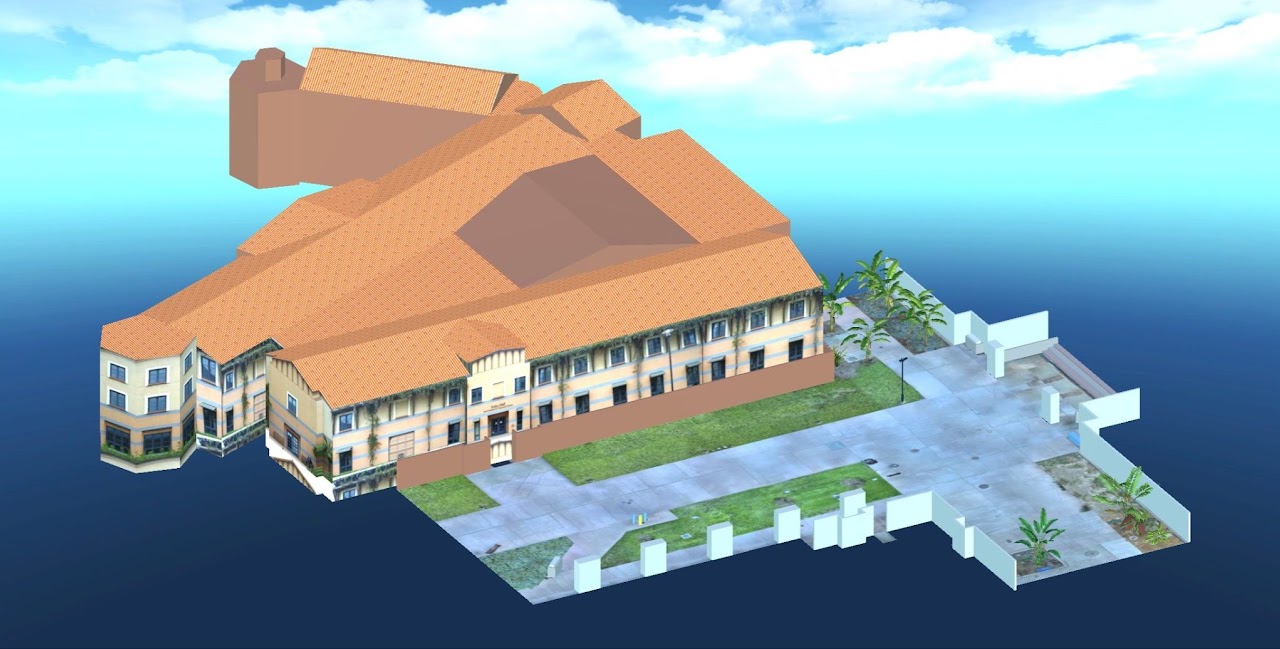
Virtual Campus
IEEE ISMAR 2022 - SingaporeA capture pipeline for detailed architectural records, built for long-term digital documentation in heritage conservation.
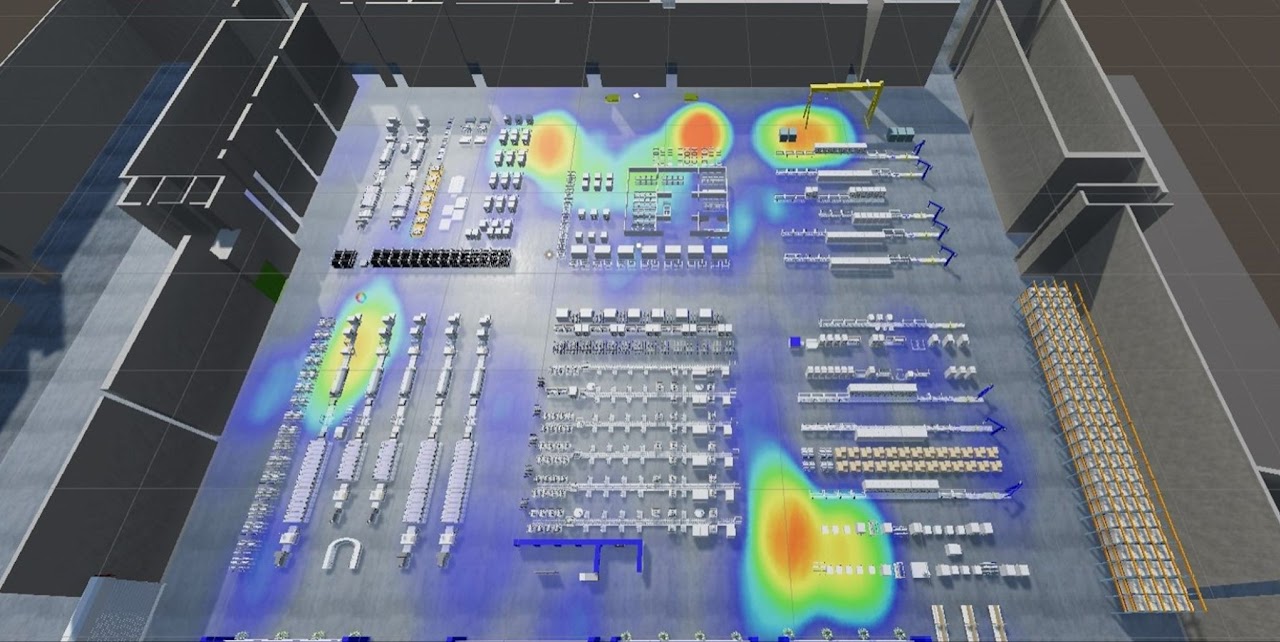
World Tracer
Nokia Bell Labs - Murray Hill, New JerseyA continuous learning loop where the simulation updates alongside the physical environment, tuning multi-robot speeds zone by zone.
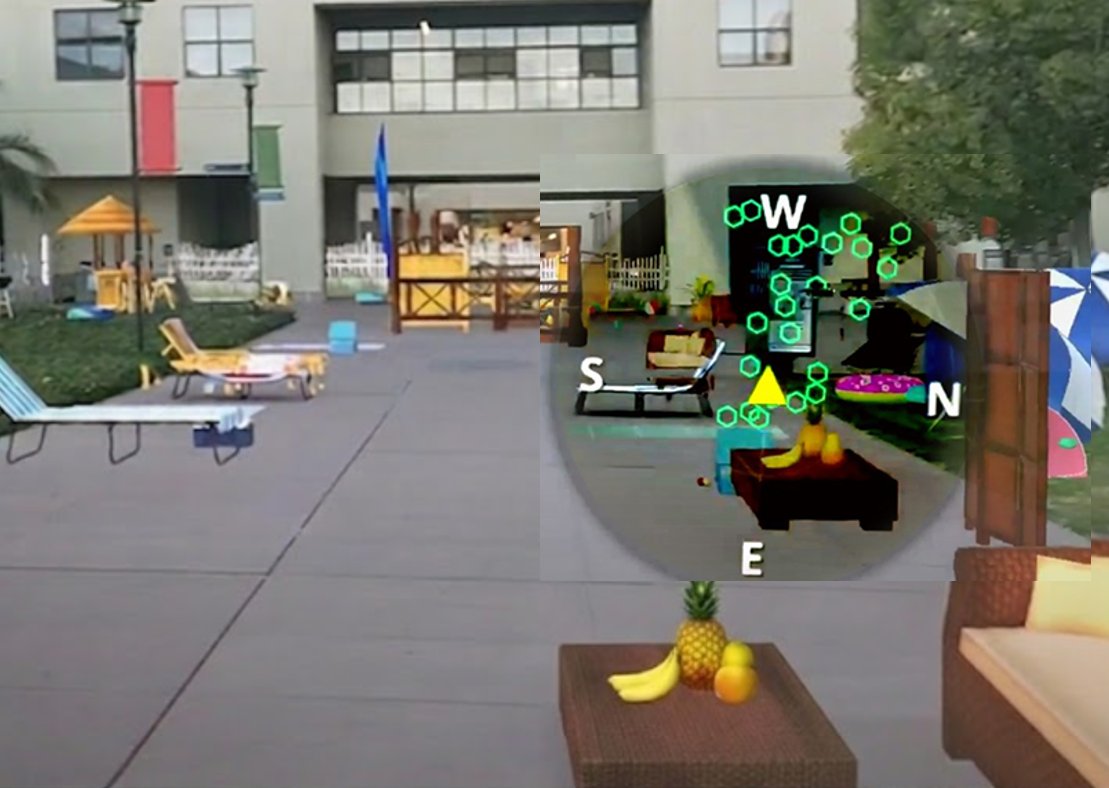
Wide-area AR 2
ACM CHI 2023 - Hamburg, GermanyA comparison of 3D spatial AR navigation cues against conventional map cues, measuring visual search efficiency and where each one works best.
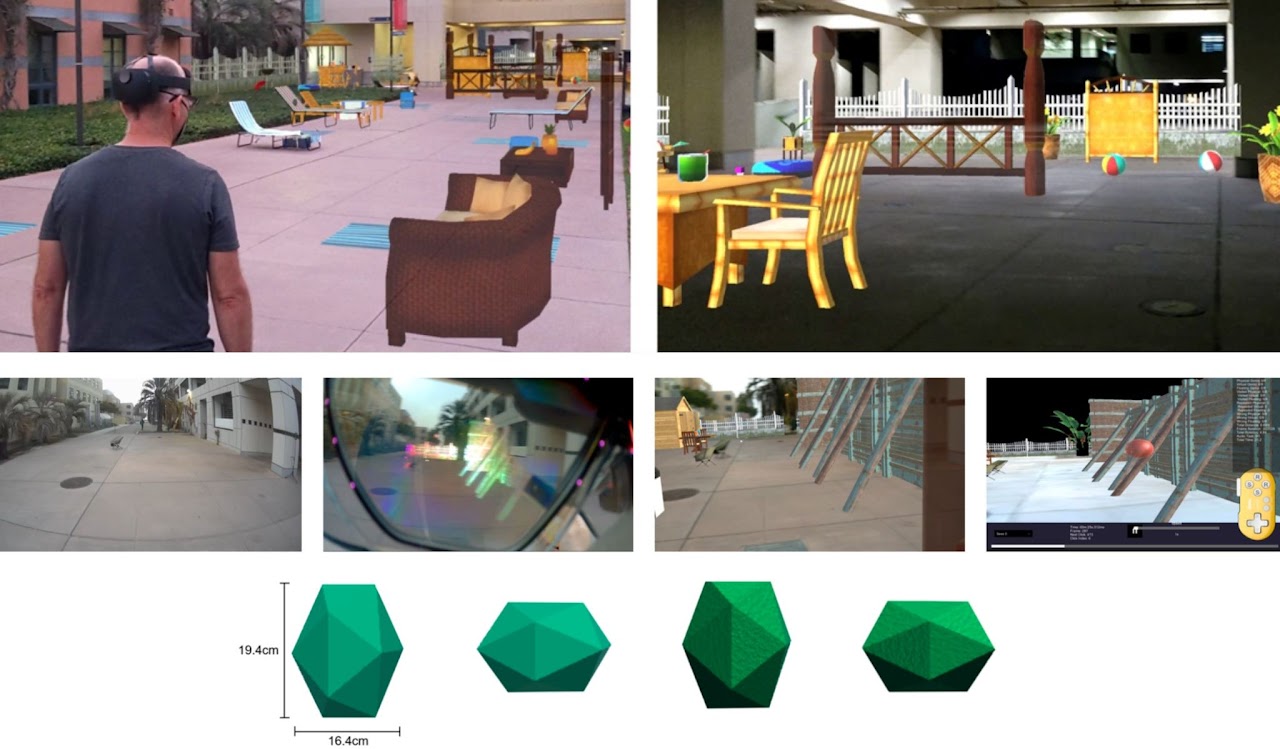
Wide-area AR 1
IEEE TVCG 2022 - SingaporeIn an outdoor AR treasure hunt, lighting, dual-tasking, and practice reshaped search, and virtual objects drew more attention than physical ones.
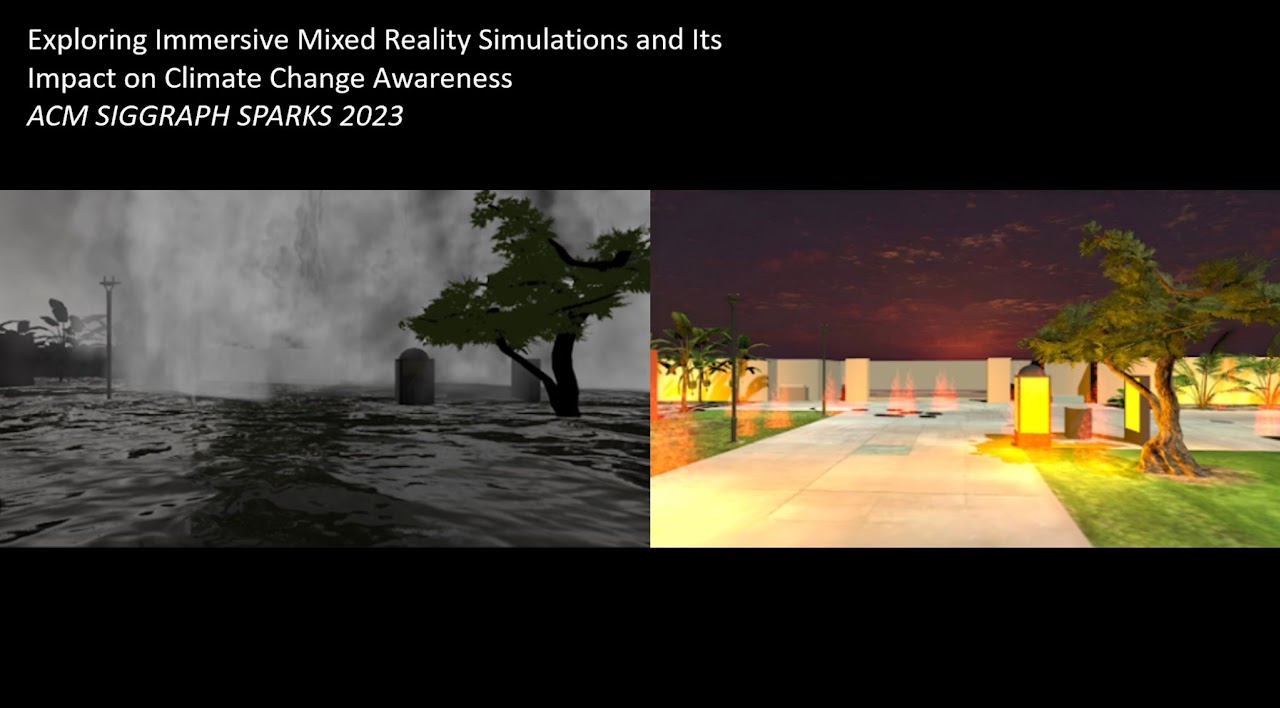
Climate Simulation
ACM SIGGRAPH SPARKS - Seoul, KoreaAn interactive outdoor AR narrative built to convey the scale of major environmental events at something close to their real size.
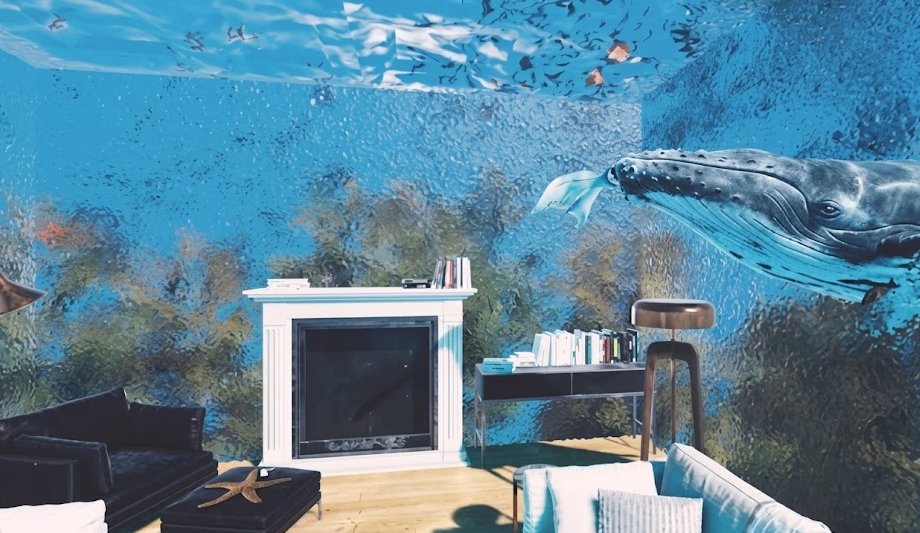
ATLAS
Magic Leap Developer - Plantation, FloridaLarge-scale AR interaction in ordinary indoor rooms, using spatial design to work around the field-of-view limits of current headsets.