Dynamic Reality Lab
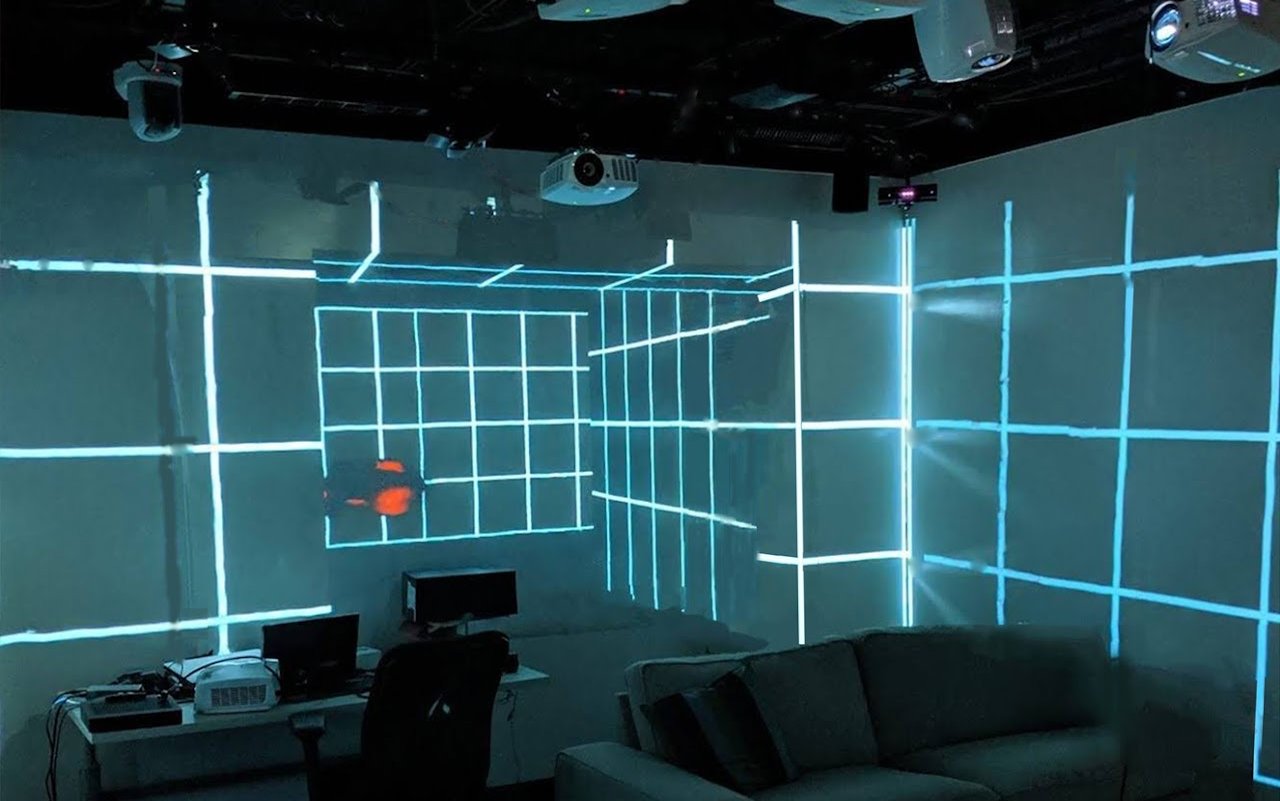
The Dynamic Reality Lab (DRL), directed by Prof. You-Jin Kim, studies how spatial computing and wide-area augmented reality can improve the way people interact with the physical world. We think the interfaces that come next will have to put digital information into real environments without losing track of how people actually perceive, think, and move.
We use sensing hardware such as EEG, EMG, and eye tracking to read physiological signals and cognitive states as they happen, then use what we learn to improve how people work inside extended reality (XR). That work spans adaptive interfaces, spatial collaboration, and interaction design for immersive environments. Our process is iterative: we prototype, build working systems, and run controlled studies to understand human performance in wide-area XR.
The lab is part of the School of Computing in the College of Engineering at the University of Nebraska–Lincoln, and our work draws on human-computer interaction, artificial intelligence, augmented reality, cognitive science, neuroscience, and physics simulation.
Research Areas
Wide-area Outdoor Augmented Reality + Navigation
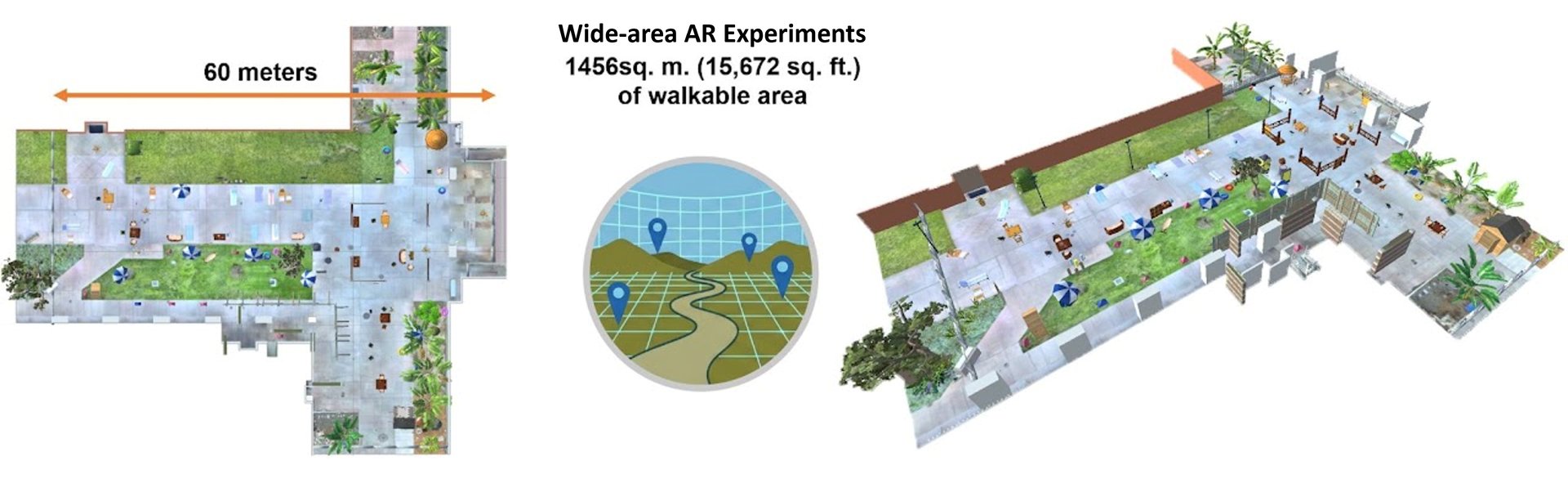
We work on the technical and spatial problems of wide-area outdoor AR across areas larger than three football fields. Room-scale AR can assume a small, controlled space; outdoors we cannot, so this work focuses on geospatial anchoring and persistent world mapping that hold content in place across large, unstructured terrain. The goal is AR that stays put and stays consistent for several users at once, out in real environments rather than in a lab.
Biometric Integration for Cognitive-Aware Spatial Computing
Complex AR environments ask a lot of the people using them, so we bring multimodal sensors, including EEG and eye tracking, into our studies. We look at how augmented overlays change spatial awareness, attention, and memory, and we use live biometric data to track cognitive load as it shifts. From there we design adaptive “cognitive cues” that time information to what the user can take in at that moment.
Immersive Storytelling and Human Expressiveness
This line of work brings deep neural networks and avatar AI agents into immersive theater and interactive narrative. We are interested in whether AI-driven avatars can make a digital experience feel live and present rather than pre-recorded. Pairing intelligent agents with expressive avatars lets us build environments that respond to who is in the room and how they are reacting, which opens up new ground for performance in digital space.
DRL Activities
- August 2026: Our new IEEE TVCG journal paper will be presented at ISMAR 2026 in Bari, Italy.
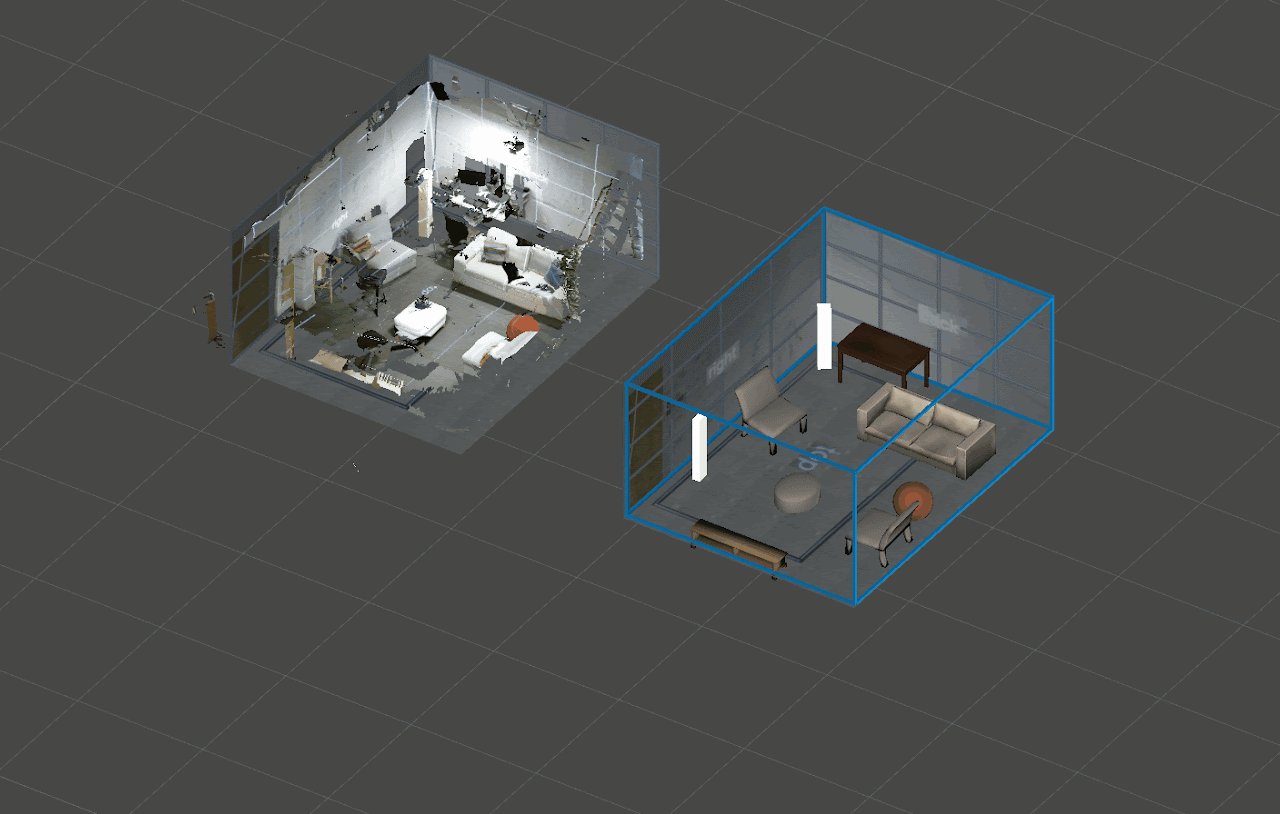
- June 2026: Our LiDAR digital-twin scanning work made the front page of the local newspaper! 📰
- May 2026: Four new full-time students joined the research team on May 18, 2026.
- April 2026: Presented at the ACM CHI 2026, Augmented Reality On-the-Move workshop.
- March 2026: Presented SABER (Spatial Attention & Brain + XR) research at IEEE VR.
- February 2026: Presented at the Nebraska, School of Computing PhD Students Session seminar.
- January 2026: Lab operations successfully relocated to a newly renovated Nebraska Hall.
- November 2025: Received an award 🏆 at ACM MobiHoc for our mobile AR cognitive security research.
- October 2025: Presented “Beyond Reality” at the ATLAS Colloquium, CU Boulder.




 Nebraska
School of Computing
Nebraska
School of Computing